
NGO CSW Geneva: Maternal Gaps Need to be Addressed
Geneva - One in five pregnant women report being discriminated against at work and that only a minority of new mothers worldwide receive maternity cash benefits. Since the majority of women work in informal settings, they are excluded from social protection systems.
These are among the “maternal gaps” in the context of human rights cited by Reem Alsalem, UN Geneva Special Rapporteur on Violence Against Women and Girls which must be addressed by member states.
At a side event titled “Maternal Gap: How systems fail mothers and what must change” of the 62nd Human Rights Council on June 25, 2026, Alsalem said that “mothers’ rights are insufficiently recognized and protected as a social group.”
Alsalem said that mothers should be recognized as a distinct group of rights-holders within the broader women’s rights framework.
Valerie Bichelmeier, Vice-President of Make Mothers Matter and Head of Advocacy at the United Nations, explained that economic insecurity, exposure to violence and discrimination, and limited access to education, health care and protection were highlighted as key factors that shape the lives of mothers and their children and determine whether they can fully enjoy their rights.
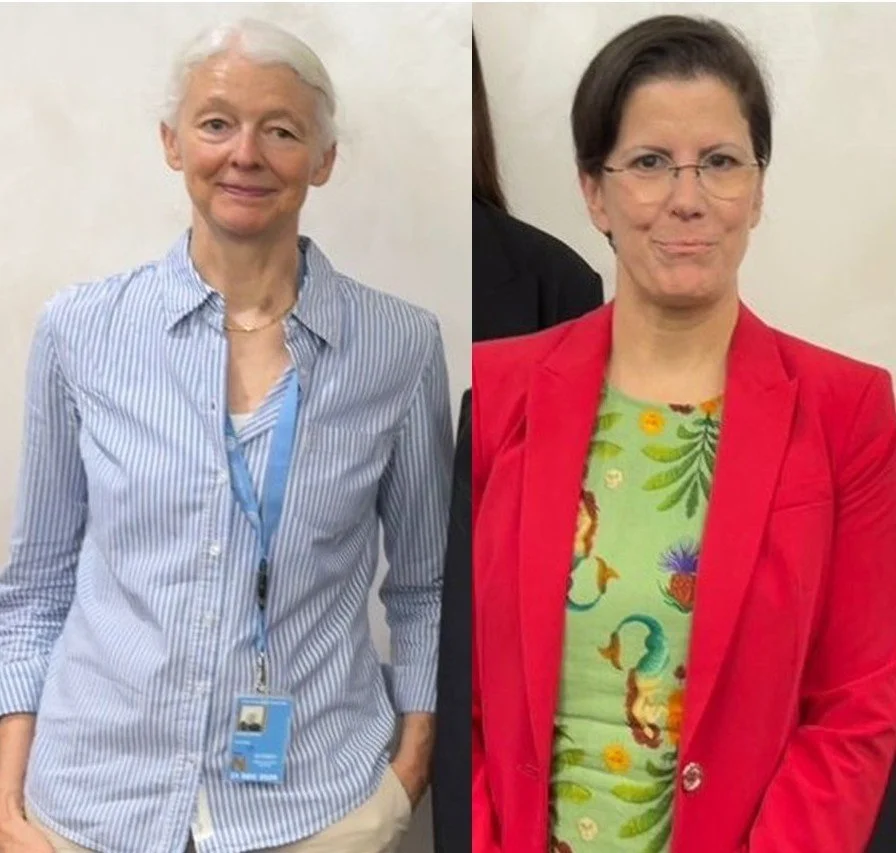
Reem Alsalem, UN Geneva Special Rapporteur on Violence Against Women and Girls (right) and Valerie Bichelmeier, Vice-President of Make Mothers Matter and Head of Advocacy at the UN.
Punishing mothers
Discussions at the side event emphasized that motherhood frequently carries “penalties” and significant costs: lost earnings, financial dependence, long-term economic insecurity, and heightened vulnerability to violence.
“Motherhood penalty” drives gender inequality in the economic sphere worldwide and is still insufficiently measured and largely invisible in public policy and inadequately addressed.
Gaps in mental health challenges affecting mothers were also identified as a major blind spot in current policies. Many measures do not address the full range of pressures and responsibilities mothers carry, illustrating that legal frameworks and social programs alone are not enough without deeper cultural and institutional change.
Recommendations
Participants emphasized that no woman should be left to face motherhood alone, without adequate support from states, communities and workplaces.
They agreed to undertake a broader cultural shift where men are encouraged to share caregiving and household responsibilities equally.
The private sector was called upon to promote parental equality and support workers with caregiving duties through non-discriminatory practices, flexible work arrangements, and inclusive workplace cultures.
The side event highlighted some Latin America and Caribbean experiences where care is increasingly recognized as a right and “care protection” is considered a central component of social protection.
Globally, there is still so much to do for mothers. Bridging the maternal gap will require comprehensive legal reforms, robust social protection, cultural change and the active involvement of men, employers, civil society and international organizations so that mothers can enjoy their human rights in practice and not only in principle.
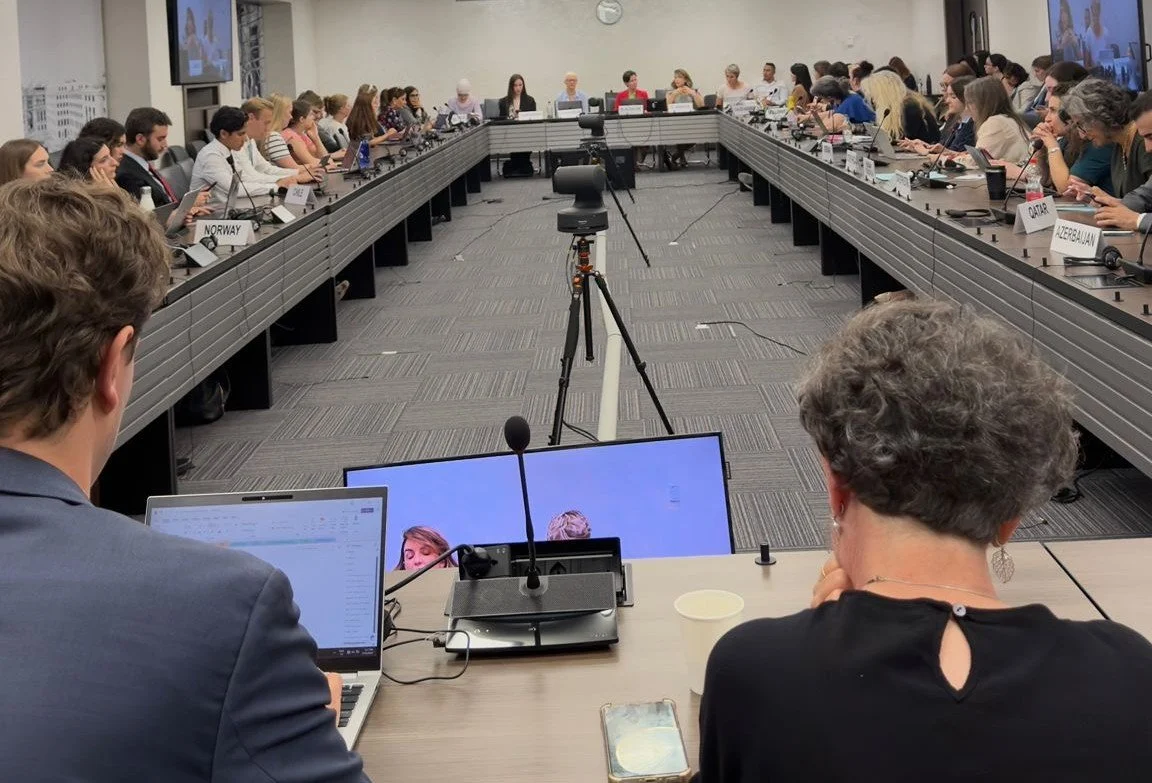
Side event: “Maternal Gap: How systems fail mothers and what must change” of the 62nd Human Rights Council on June 25, 2026 in Geneva.