WFWPI Global Vision Summit 2026 Builds Dialogue on Responsible AI for Social Impact
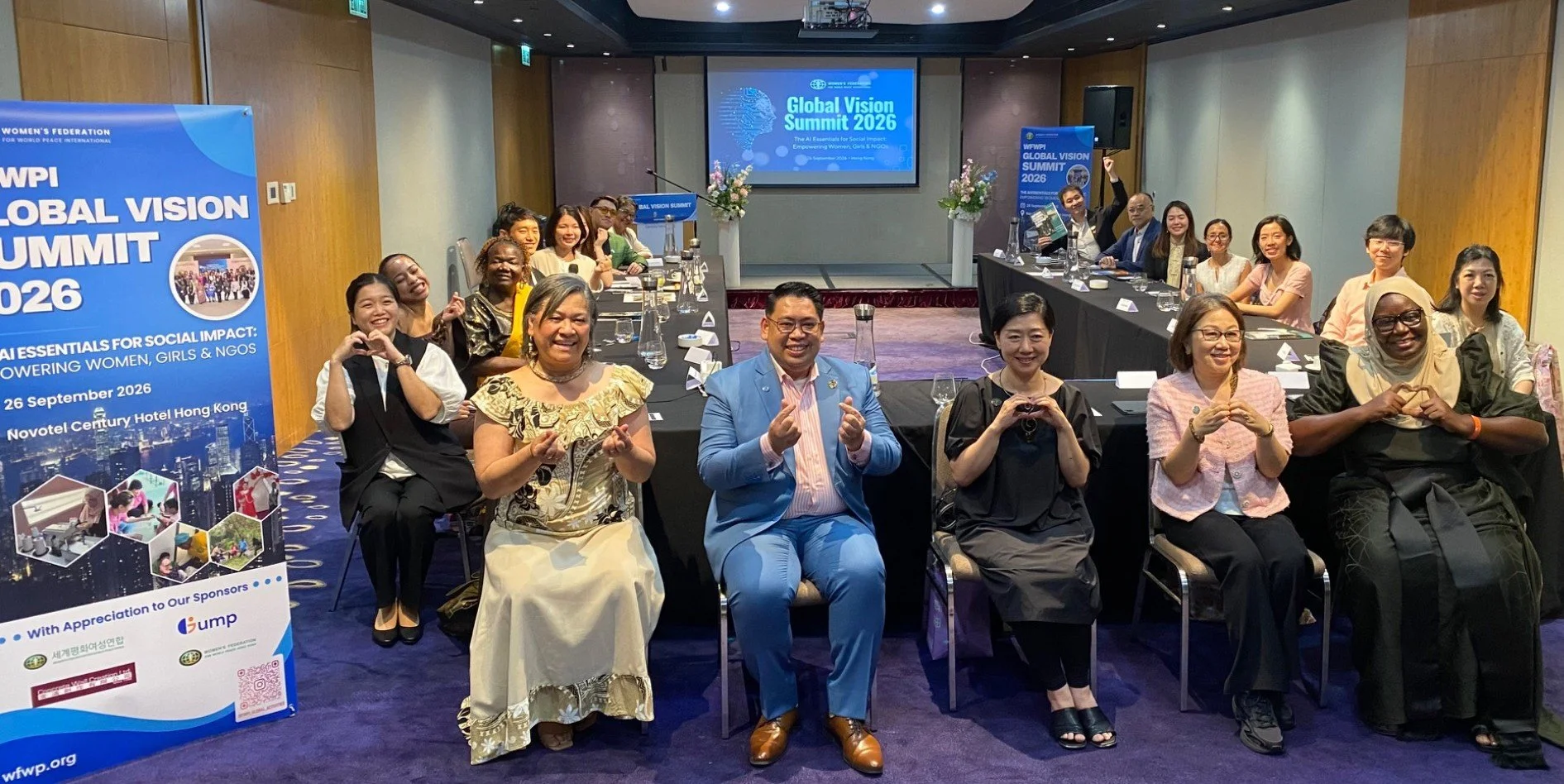
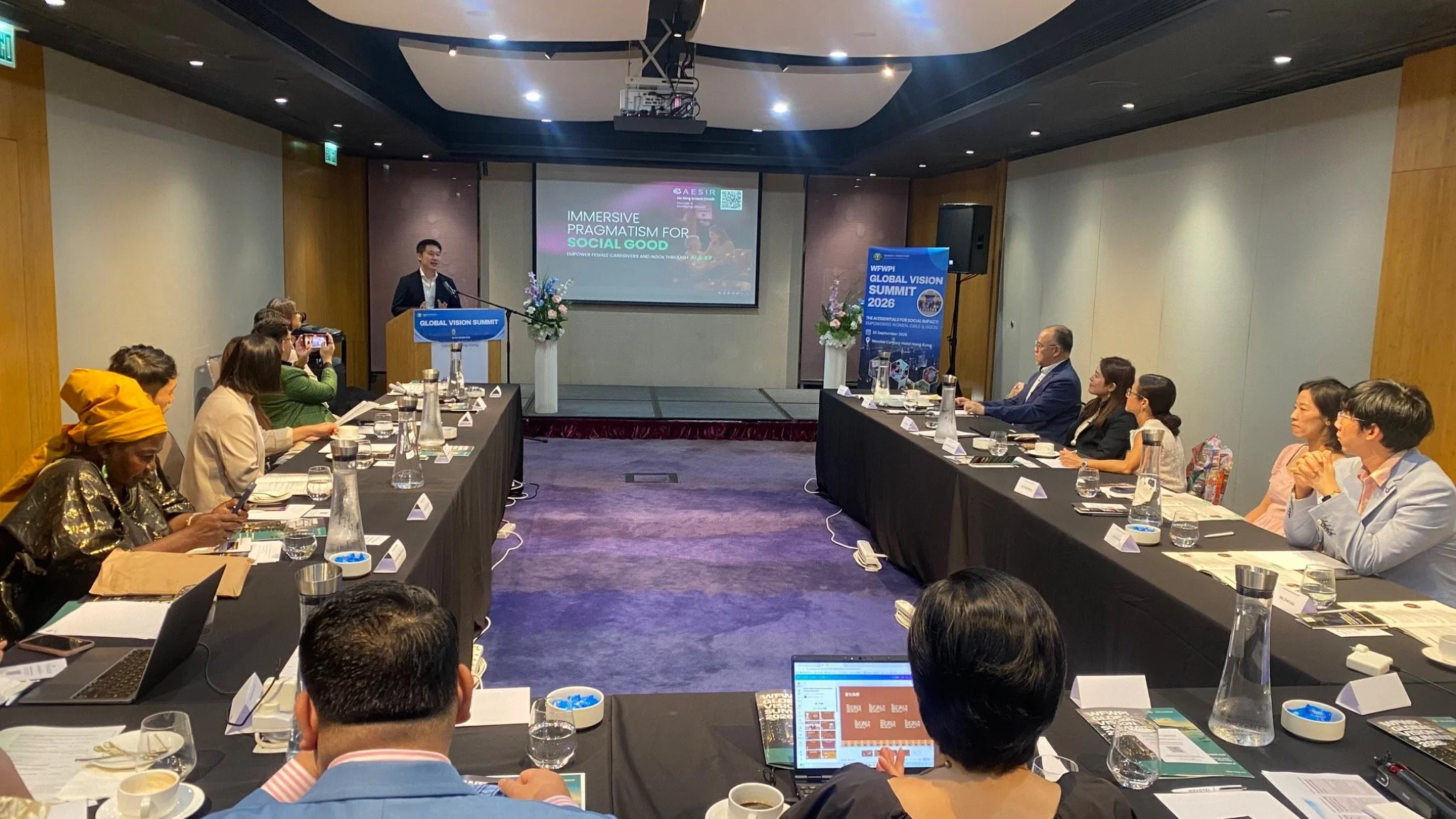
Hong Kong - The WFWPI held its Global Vision Summit at Novotel Century Hong Kong on September 26, 2026 with the theme “The AI Essentials for Social Impact: Empowering Women, Girls, and NGOs.” Leaders, educators, technology practitioners and community representatives explored how AI can support people and advance social good.
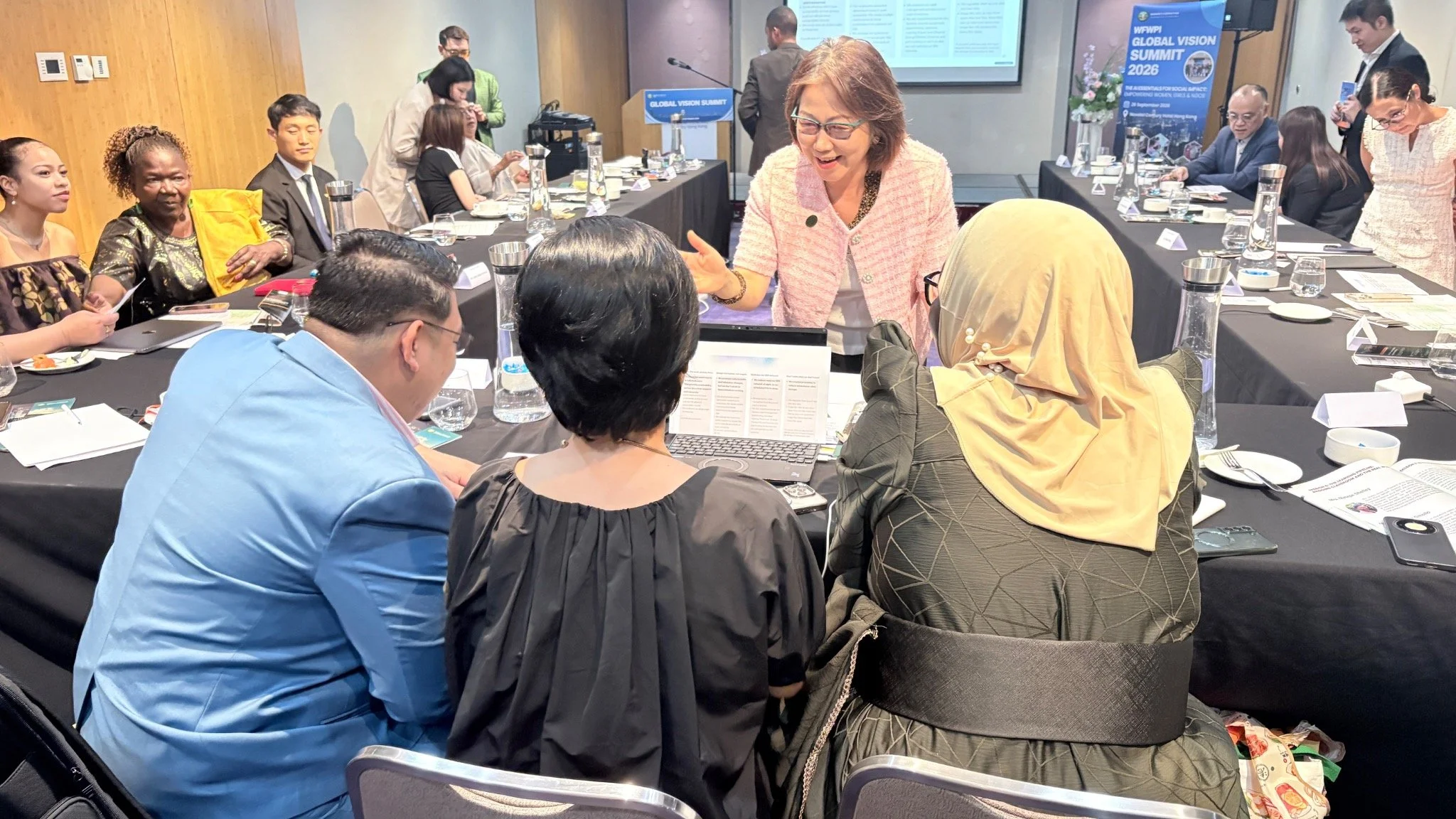
Building on the virtual summits that began in 2024, this first in-person gathering offered a constructive start to deeper communication with experts. Its modest scale created space for direct exchange, practical questions and connections across professional backgrounds. A central takeaway was the need to learn how to live and work responsibly with AI as it becomes increasingly embedded in everyday life, using it to help people while protecting human dignity, privacy and trust.
Dr. Paris Moon, Secretary General of WFWPI and Chairperson of the Summit Organizing Committee, led the opening ceremony. WFWPI President Moriko Hori cited that responsible innovation must come with empathy, self-awareness and women’s leadership. “Our goal is to guide it toward human dignity, inclusion, and peace,” she said. Hori emphasized the importance of women and girls helping to shape the purposes and decisions behind technology.
Dr. Roger Lin, Assistant Professor in the Department of Journalism and Communication at Hong Kong Chu Hai College, keynoted the Summit emphasizing ways to preserve human agency and meaningful relationships in an increasingly technological world.
Lin's research work examines human experience in environments shaped by algorithms, drawing on East Asian relational philosophy. He brings extensive experience in film, television and theatre. His background in communication research and the creative arts.
For WFWPI, the Summit’s significance extends to its role as an NGO in general consultative status with the United Nations Economic and Social Council (ECOSOC) since 1997. Dialogue between technical experts and community organizations can help inform future advocacy on women’s participation, digital inclusion, education and responsible innovation. WFWPI’s international network offers opportunities to bring grassroots experiences into these conversations and share practical learning across countries.
The programme also pointed toward priorities for organizational AI use: protecting personal data and confidential information, checking outputs for errors and bias, maintaining human oversight, and establishing clear responsibility. Accessible training is essential so that differences in skills, connectivity and resources do not widen existing inequalities. Environmental costs and community wellbeing also deserve consideration when choosing tools and assessing their benefits.
Session 1, “Empowering Women and Youth Across Borders,” brought community and social enterprise perspectives into the conversation. Sumima Lam and Genie Wong jointly presented “From Bakery to Opportunity: AI-Powered Support for Every Ability.” Drawing on their involvement in a social enterprise bakery and backgrounds in nursing and early childhood education, they connected the
programme’s focus on technology with inclusion and opportunities for people of different abilities.
Pamela Knights, Officer-in-Charge at the Hong Kong Federation of Women’s Centers, presented “The Human Network: Building Women’s Resilience and Empowerment in the AI Era.” Her contribution placed women’s resilience, community support and human networks within the discussion of technological change, bringing a grassroots empowerment perspective to the session.
In Session 2, “VR for Good,” Ernest Chan, Founder and Managing Director of AESIR.HK, presented “Immersive Pragmatism for Social Good: Empowering Female Caregivers and NGOs through AI and XR.” A virtual reality demonstration accompanied his exploration of immersive technology for care and social impact. His presentation emphasized usable, affordable tools, caregivers’ participation in their design, and assessment of their value for the people they serve.
Session 3, “From Research to Real World Impact,” began with Rafia Hasina’s “Power with Purpose: Ethical AI for Empowerment and Sustainable Development.” She highlighted women’s participation, practical AI skills and critical thinking. Her educational perspective emphasized the importance of helping young people evaluate AI-generated answers and develop their own understanding.
Elizabeth Lim contributed a recorded presentation, “Envisioning Artificial Intelligence for Prevention, Protection, and Global Child Safety.” As a child-safety advocate and founder of SRTell, she brought prevention and protection into the programme, exploring the potential for responsible AI to make child-safety education accessible.
A second recorded contribution came from Jacqueline B. Aber Sou, an experienced educator and WFWP leader. Her presentation, “AI - A Human-Centered Roadmap for Community Leaders and for Inclusive Development,” connected AI with community leadership and inclusion, adding an international education perspective to the session.
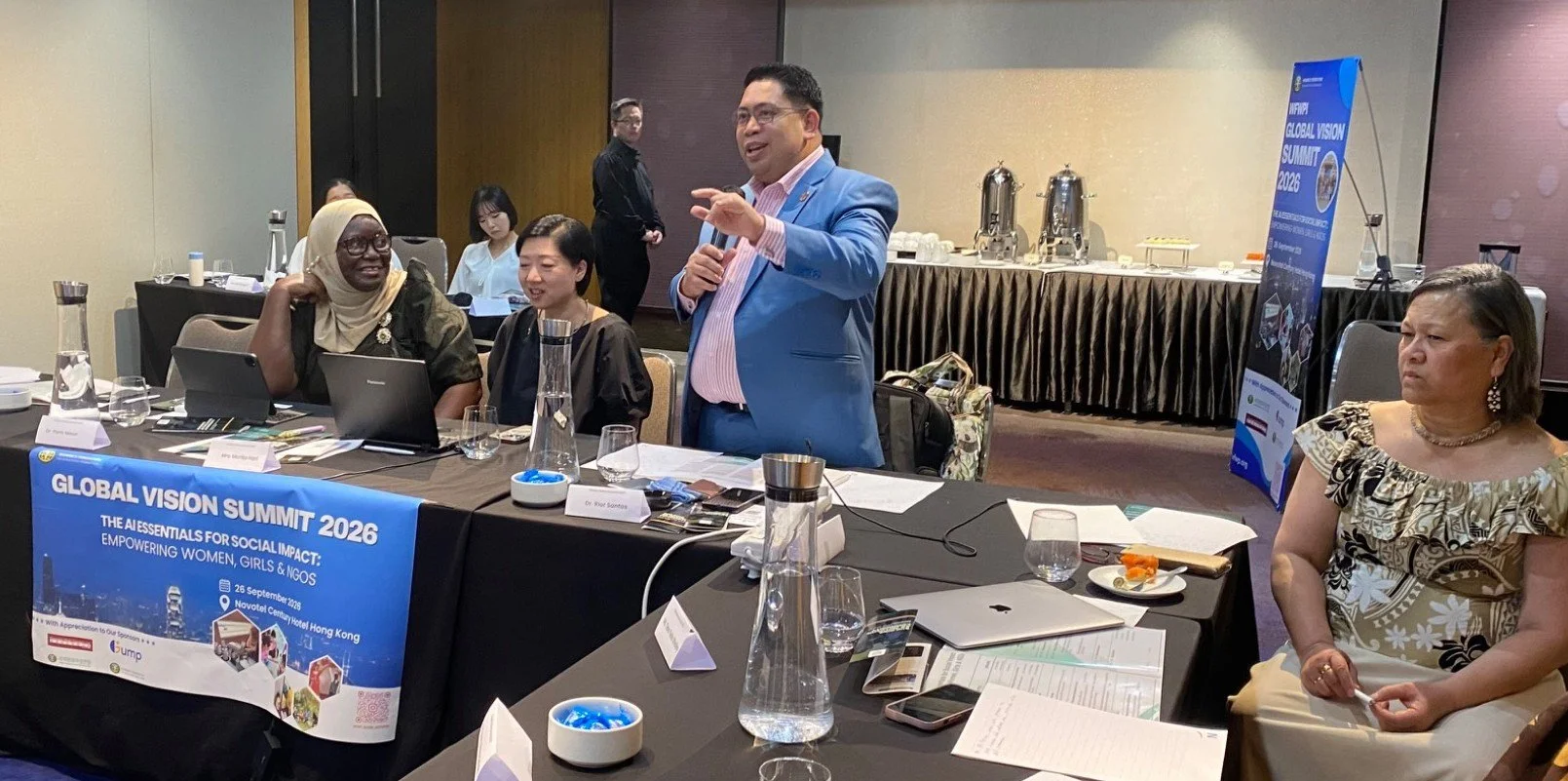
Session 4, the “AI for Good NGO Workshop,” focused on organizational practice. Dr. Rior Santos presented “From Curiosity to Capability: A Practical Roadmap for Responsible AI Transformation in NGOs.” His IMPACT framework encouraged organizations to begin with a clear mission-related problem and consider governance, staff capability, appropriate applications, compliance, risk and continued learning. The workshop brought practical questions into focus: what information can be shared with AI, how outputs should be checked, and who remains responsible for decisions.
Session 5, “Bridging Internal Health and Structural Alignment: A Modern Approach,” brought together perspectives from pharmacy and health care. Mr. Heungsoo Lee presented “Smart Dieting ; Contest Prep: A Pharmacist’s Experience with AI Technology,” sharing his professional and personal experience of AI in this context.
Dr. Polly Wong’s “Human-Centred AI: Aligning People, Purpose and Impact” examined AI through a public health and equity perspective. Her presentation asked who benefits, who may be excluded and who bears the risks. It encouraged assessment of AI through inclusion, wellbeing and empowerment, alongside efficiency.
Dr. Karl Lin presented “Beyond the Algorithm: Why the Patient Matters More Than the Pixel.” His contribution emphasized the importance of understanding patients and their circumstances, reinforcing the role of human judgement and relationships when interpreting technological information.
Session 6, “The Learning Pipeline: Bridging Classroom and the Real World,” connected the discussion with educational practice. Mrs. Matapa Shelley, President of WFWP Oceania and WFWP New Zealand, spoke about her profession as a teacher and how AI supports her work.
A primary school teacher in Auckland, she brought firsthand classroom experience to the programme. This practical perspective is particularly relevant to WFWPI’s educational work, where teachers’ judgement and relationships with learners remain essential.
Mrs. Mary Akeyo Omollo presented “Helping Girls in Gwasi Shine,” describing plans for a phone-based AI helper to support girls’ education in rural Kenya and assist teachers and mentors. Her contribution highlighted the need for accessible training and tools suited to local circumstances. It illustrated why community needs and the experiences of intended users should guide the development of educational
technology.
Session 7, “AI Productivity and Sustainability,” considered the resources and human priorities involved in AI use. Dr. Florence Lei presented “AI Productivity and Sustainability: Efficiency and Cost Implications for Young Entrepreneurs and SMEs.” She examined productivity, costs and environmental implications, encouraging users to match tools to tasks and reinvest time saved into careful human review.
Dr. Paris Moon led the interactive session “From Data to Stillness: AI, Climate, and the Art of Being Present.” Bringing these themes into a participatory format, the session created space to reflect on technological change, environmental responsibility and attention to the world around us. Its inclusion placed presence and human wellbeing alongside the day’s exploration of practical AI applications.
The Bridge of Peace ceremony connected the programme with WFWPI’s longstanding commitment to friendship and reconciliation. Personal encounter and mutual respect gave expression to the human relationships at the heart of its peacebuilding work.
During the closing ceremony, Rafia Hasina received the Best Abstract Award.
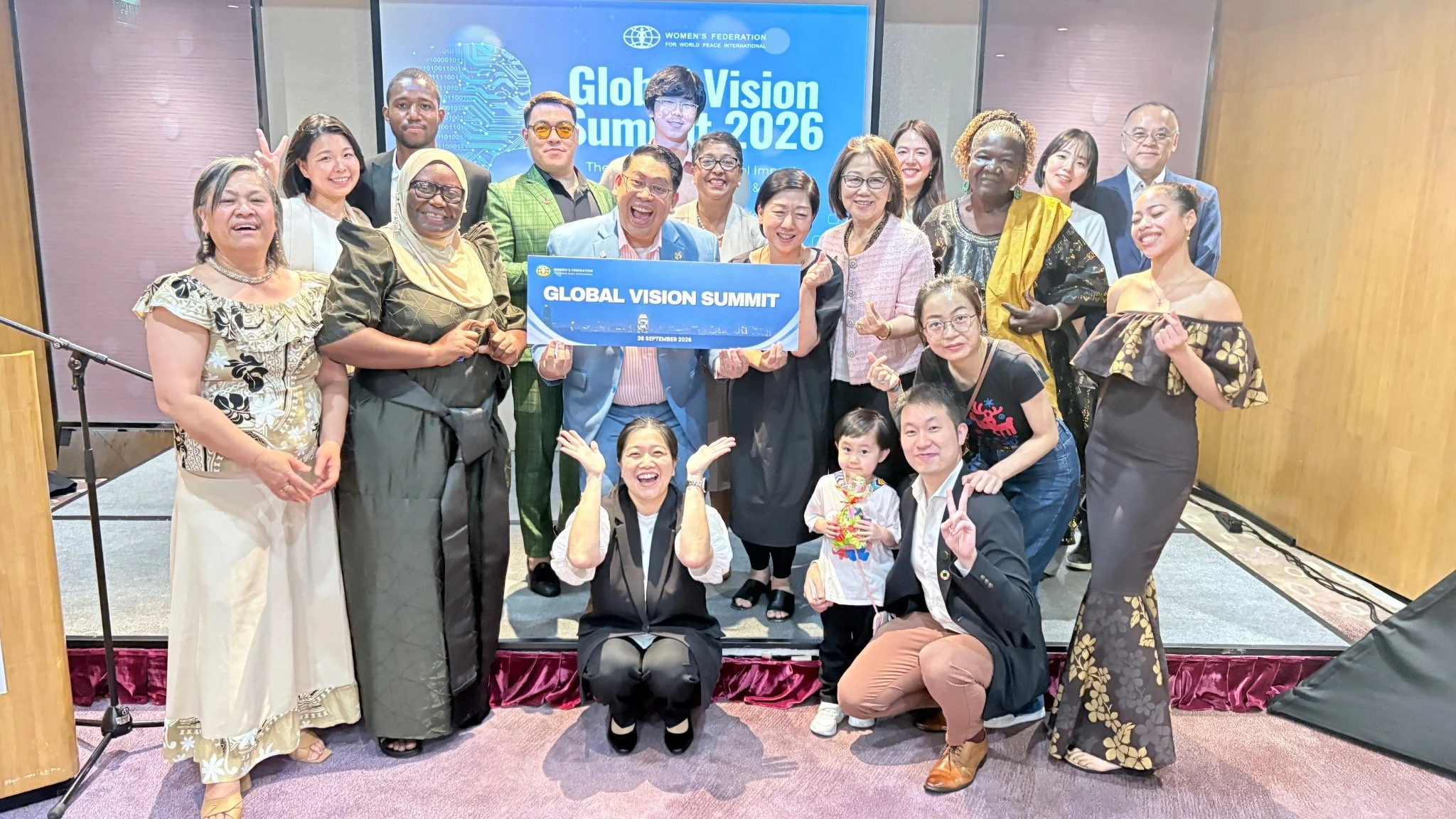
WFWPI extends its appreciation to all speakers, recorded contributors, participants and the organizing team; to WFWP Korea, WFWP Hong Kong and Concrete Wall Creation Ltd. for their support; and to GUMP for providing the Summit’s AI photo album.