Ethical AI for Social Good: Empowering Women, Youth, Non-Governmental Organizations, and Cultural Diversity
By Rafia Hasina
WFWP Hawaii
Artificial Intelligence (AI) and digital technologies are transforming the way communities learn, lead, communicate, and address complex social challenges. As the world enters an era of rapid digital transformation, it is essential to ensure that women, girls, young adults, emerging leaders, and non-governmental organizations (NGOs) have equitable access to the knowledge, digital skills, and ethical frameworks needed to harness AI for social good.
Inclusive AI can reduce inequalities, strengthen leadership, promote innovation, and support sustainable solutions that benefit both local and global communities. AI-powered tools are creating new opportunities for academic institutions, civil society organizations, governments, and international agencies to collaborate in addressing critical issues such as poverty, education, healthcare, climate resilience, and disaster preparedness.
These technologies can enhance research, improve decision-making, expand access to information, and strengthen community engagement. They also play a vital role in narrowing the digital gender gap by amplifying diverse voices and increasing the participation of women and underrepresented communities in public leadership and social innovation.
However, as AI advances at an unprecedented pace, ethical governance and safety measures must evolve just as rapidly. Technological progress without responsible oversight risks widening inequalities, reinforcing bias, and exposing children and other vulnerable populations to exploitation and misinformation.
Ethical AI must therefore prioritize transparency, fairness, accountability, privacy, and human dignity. By embedding ethical principles into AI development and implementation, technology can become a powerful catalyst for positive social impact. Responsible AI empowers individuals and organizations to make informed decisions, protect vulnerable communities, preserve cultural diversity, and expand access to essential resources. Building an inclusive and ethical AI ecosystem today will help create a more equitable, resilient, and sustainable future for all.
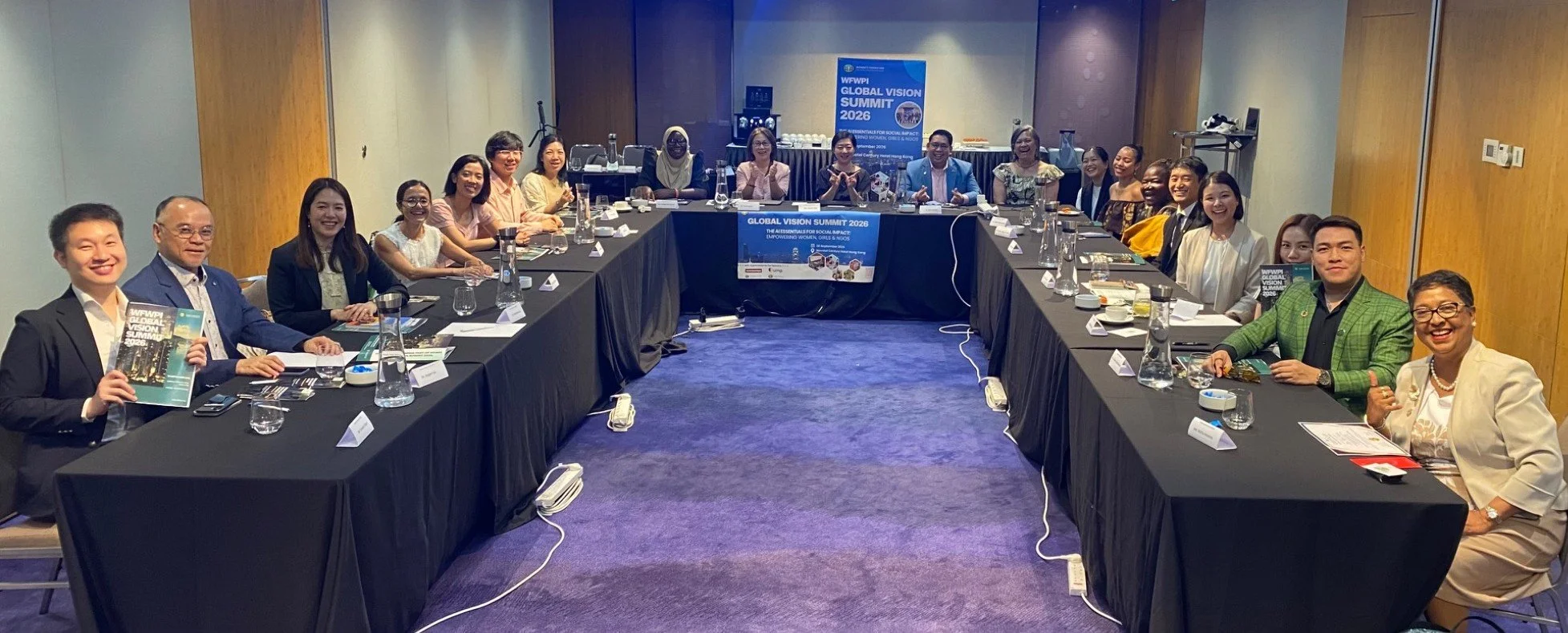
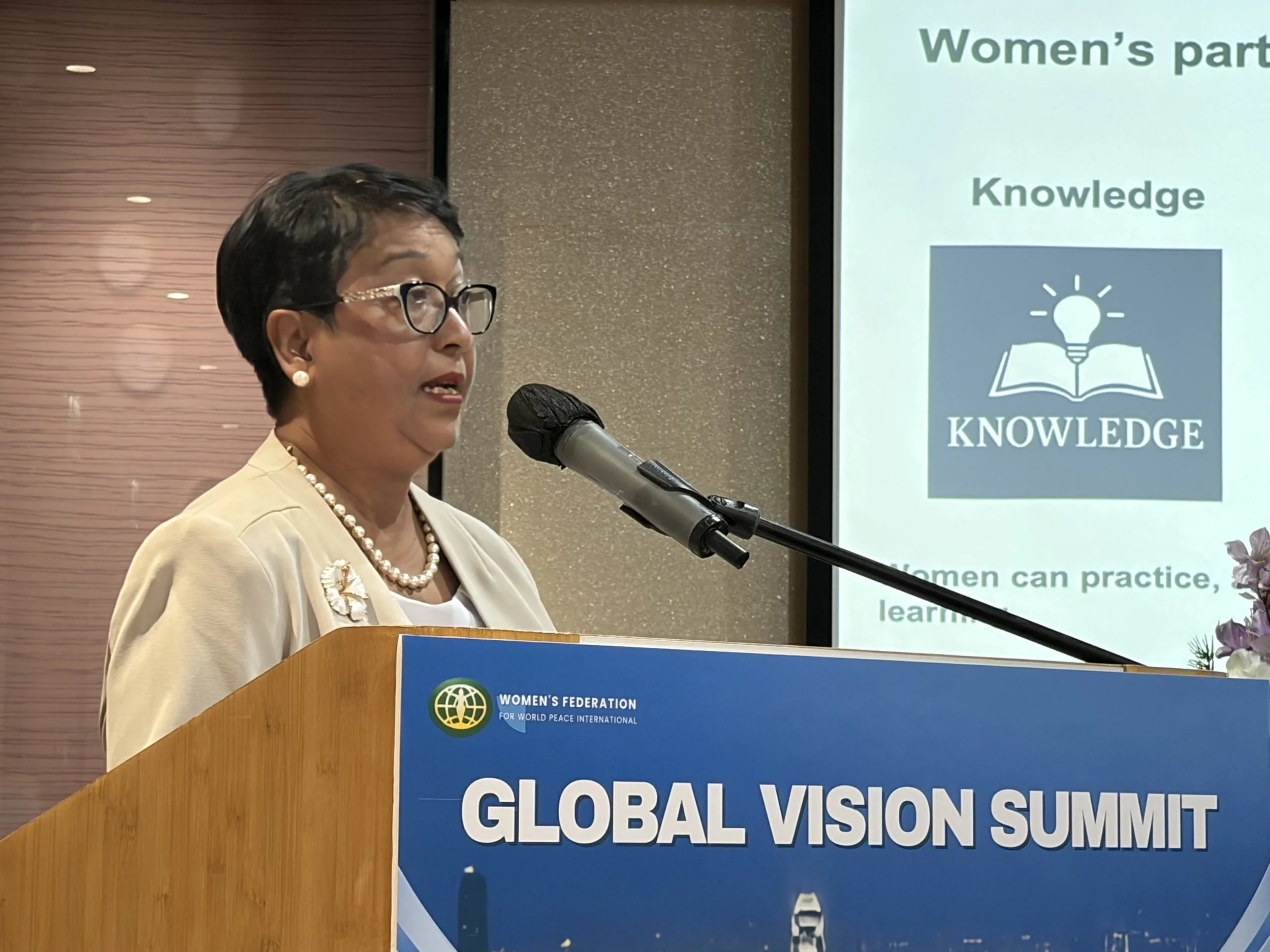
(This abstract is Rafia Hasina's winning entry to the WFWPI Global Vision Summit in Hong Kong on September 26, 2026 with the theme “The AI Essentials for Social Impact: Empowering Women, Girls, and NGOs.”)