
Permaculture Education: Transformative when Practical, Community-centered
A Personal Impact Report
By Kathryn Medina
During my first time joining the Permaculture Immersion & Adventure Tour – Cebu & Bohol, Philippines in January 2026, the seeds planted by my mentors and colleagues at WFWPI showed visible, meaningful results.. I had heard stories about the years of effort required to build partnerships, organize trainings, and advocate for sustainable agriculture. Seeing so many leaders, educators, and farmers gathered made those stories feel real. It also challenged a quiet doubt I had carried — whether education truly leads to lasting change. During the Permaculture Summit, I watched policymakers, community leaders, and environmental advocates exchange ideas across cultures and professions. Meeting international delegates, including women leaders and policymakers from Spain, helped me realize how sustainability work connects people across countries and generations. As someone still early in my leadership journey, being in those spaces helped me recognize that meaningful change is not limited to people with titles or long careers. It begins with individuals who are willing to learn, collaborate, and remain committed to a long-term vision.
The farm immersion experience made the program especially personal for me. Instead of only hearing about permaculture, we participated in it. We planted trees, harvested crops, and prepared meals using ingredients grown directly from the surrounding land. Watching farmers present how they applied what they learned from previous trainings was particularly meaningful. Their pride in their work and excitement about future opportunities showed me that education can build confidence, dignity, and real transformation within communities. It made me reconsider whether the type of change I hope to contribute to in the world may be possible through consistent, hands-on education.
Another experience that shaped my perspective was visiting Bohol Bee Farm. Listening to the founder share how she built her home and business while preserving the natural landscape challenged how I had previously understood development and success. She spoke about working with nature rather than trying to control it. Seeing a thriving business built on that philosophy helped me understand permaculture as more than an agricultural method. It felt like a mindset rooted in patience, environmental respect, and long-term thinking.
Before this program, I sometimes questioned whether education alone could create meaningful global change. Seeing farmers, community leaders, and international partners influenced by permaculture education helped renew my belief that learning, especially when it is practical and community-centered, can transform lives. Reflecting on this experience, I feel encouraged to continue exploring how sustainability, education, and youth leadership can work together. I am grateful to have witnessed how long-term dedication, collaboration, and community empowerment can gradually create visible change. This program did not only teach me about permaculture; it strengthened my confidence that young people can contribute to building more sustainable and compassionate communities. A more personal impact this experience has made on me is the inspiration to grow a plant my very first time, this year. Although small, this goal represents a new appreciation for working with nature and understanding sustainability through personal responsibility and daily practice. Professionally, the program deepened my understanding of my role at WFWP, as I gained clearer insight into how relationship-building and global dialogue directly support WFWP’s permaculture initiatives. Having gained inspired clarity on my own career path, I am more committed than ever to supporting these partnerships — and the lasting community-level change they make possible.
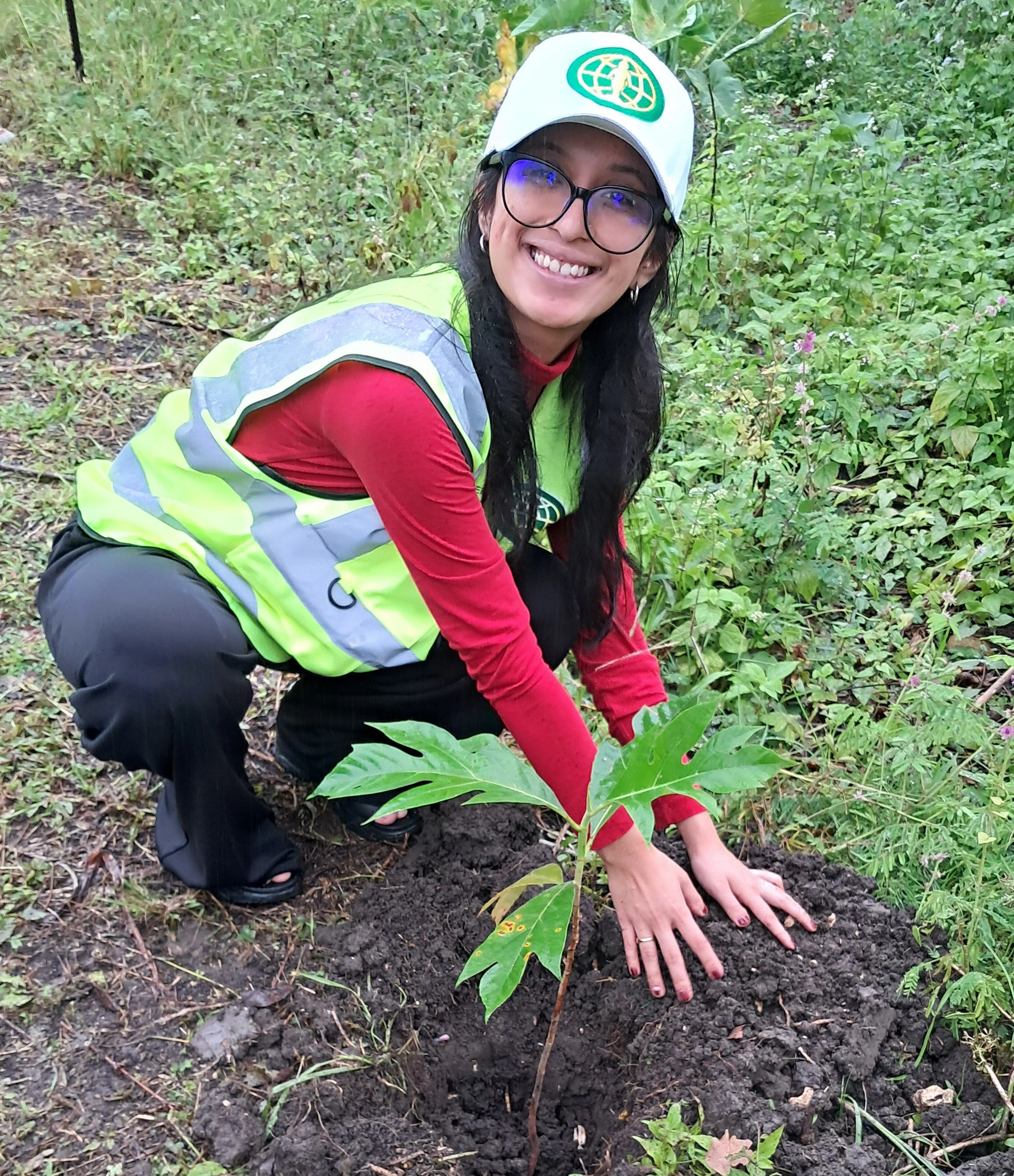
Kathryn Medina planting her tree at the APPEC in Montesunting.
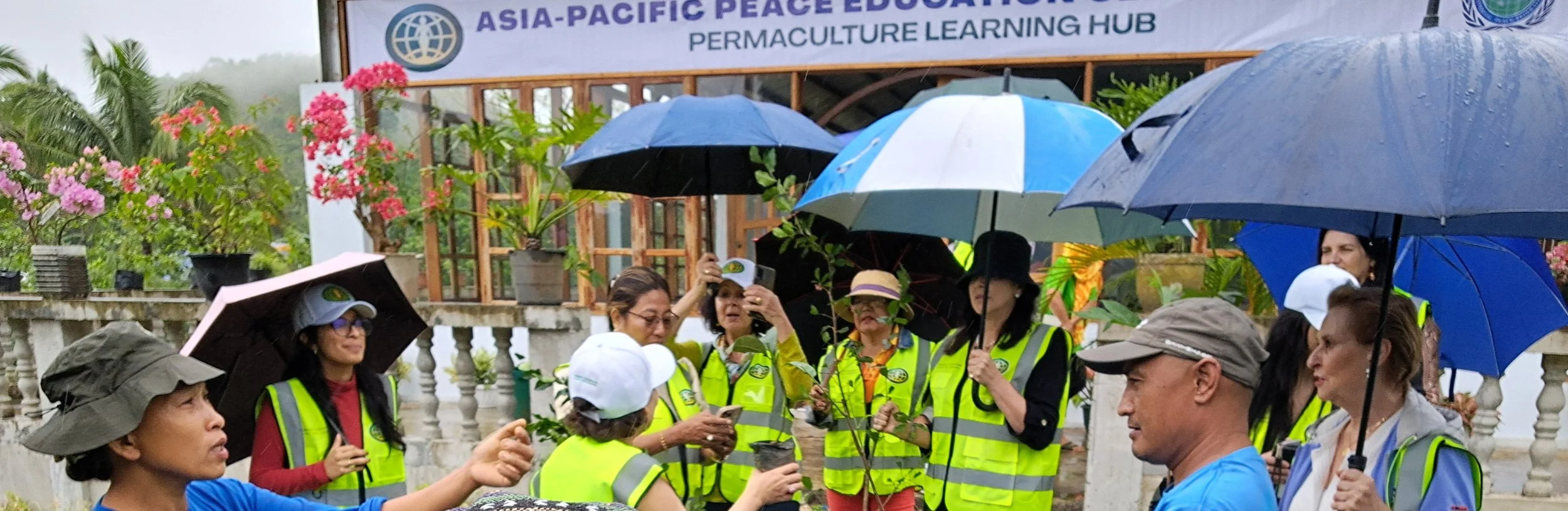
Participants of the immersion tour are about to get their marcotted tree species for planting.
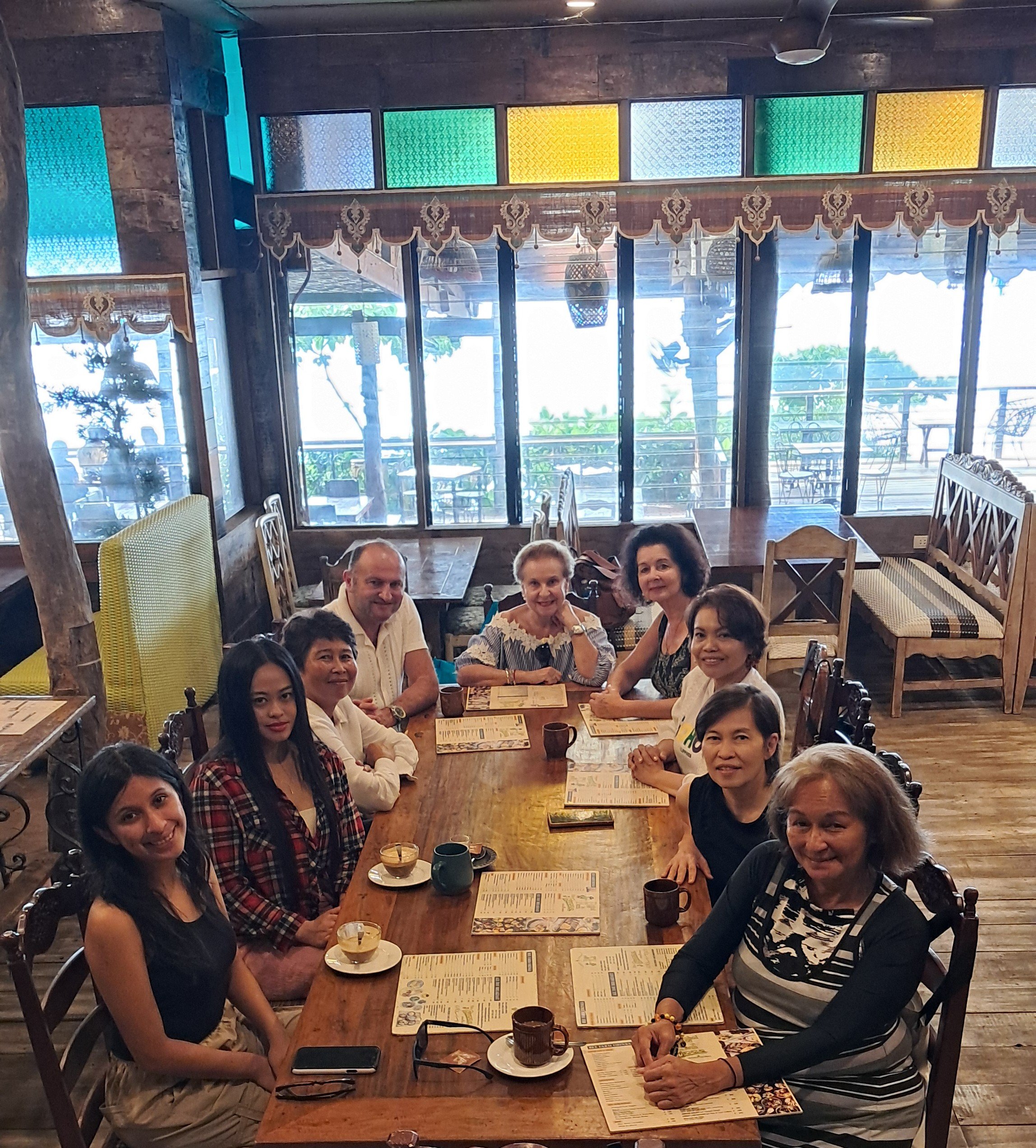
Kathryn with members of the international delegation at the Bohol Bee Farm Resort with owner-operator Vicky Sandridge (3rd from left).