
WFWPI Leadership and Advocacy Training: When Learning Turns into Responsibility
By Rumana Khan
Personal Impact Report
Some training programs give you information. Others give you responsibility. The recent advocacy training spearheaded by the WFWPI around the United Nations Sustainable Development Goals (SDGs) was one of those moments where learning went far beyond theory. One of the most important realizations I had from the sessions was that meaningful global progress does not happen through good intentions alone. It happens through structured advocacy, measurable outcomes, and strategic collaboration between governments, organizations, and innovators. The SDGs provide a powerful framework that connects issues many people often see as separate — education, mental health, gender equality, economic opportunity, and community wellbeing. These challenges are deeply interconnected, and solving one often requires addressing the others.
The training emphasized something incredibly important: advocacy must move beyond awareness. It requires understanding stakeholders, reporting structures, funding mechanisms, and the difference between outputs and real impact. Programs that succeed are those that can demonstrate clear outcomes, align with global priorities, and scale through partnerships. Listening to global leaders and advocates working across different regions reinforced how critical it is to design solutions that can integrate into existing systems while also pushing innovation forward. For me, the experience reinforced that technology and innovation have a powerful role to play — but only when they are designed with purpose and aligned with broader global goals. Whether we are talking about education reform, mental health access, or empowering future leaders, solutions must be built in ways that contribute directly to the SDG framework and deliver measurable impact.
Moving forward, my focus will be on continuing to align my work across AI, emotional intelligence, and leadership development with the SDGs. Initiatives such as Psy Buddy™, which aims to expand access to emotional wellbeing support, and Child CEO™, which focuses on developing leadership and life skills in young people, sit directly at the intersection of several SDG priorities. The opportunity ahead is not simply to innovate, but to build systems that strengthen families, empower communities, and contribute to long-term global progress. Because when innovation aligns with purpose, change does not remain local — it becomes global.
(Rumana Khan is the CEO of Psy Buddy, a human emotional intelligence leadership platform for the youth, in Sydney, Australia).
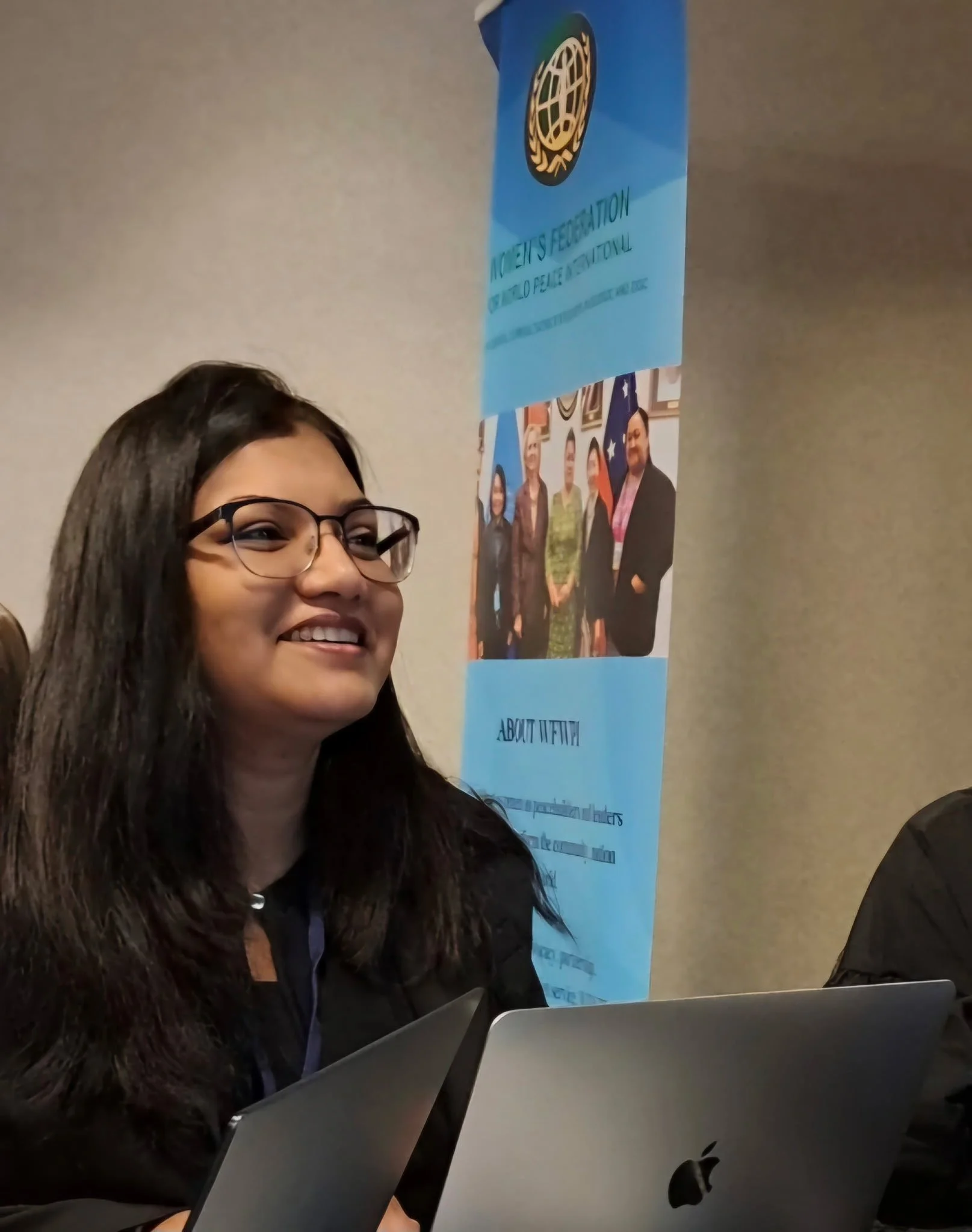
Rumana Khan at the training.
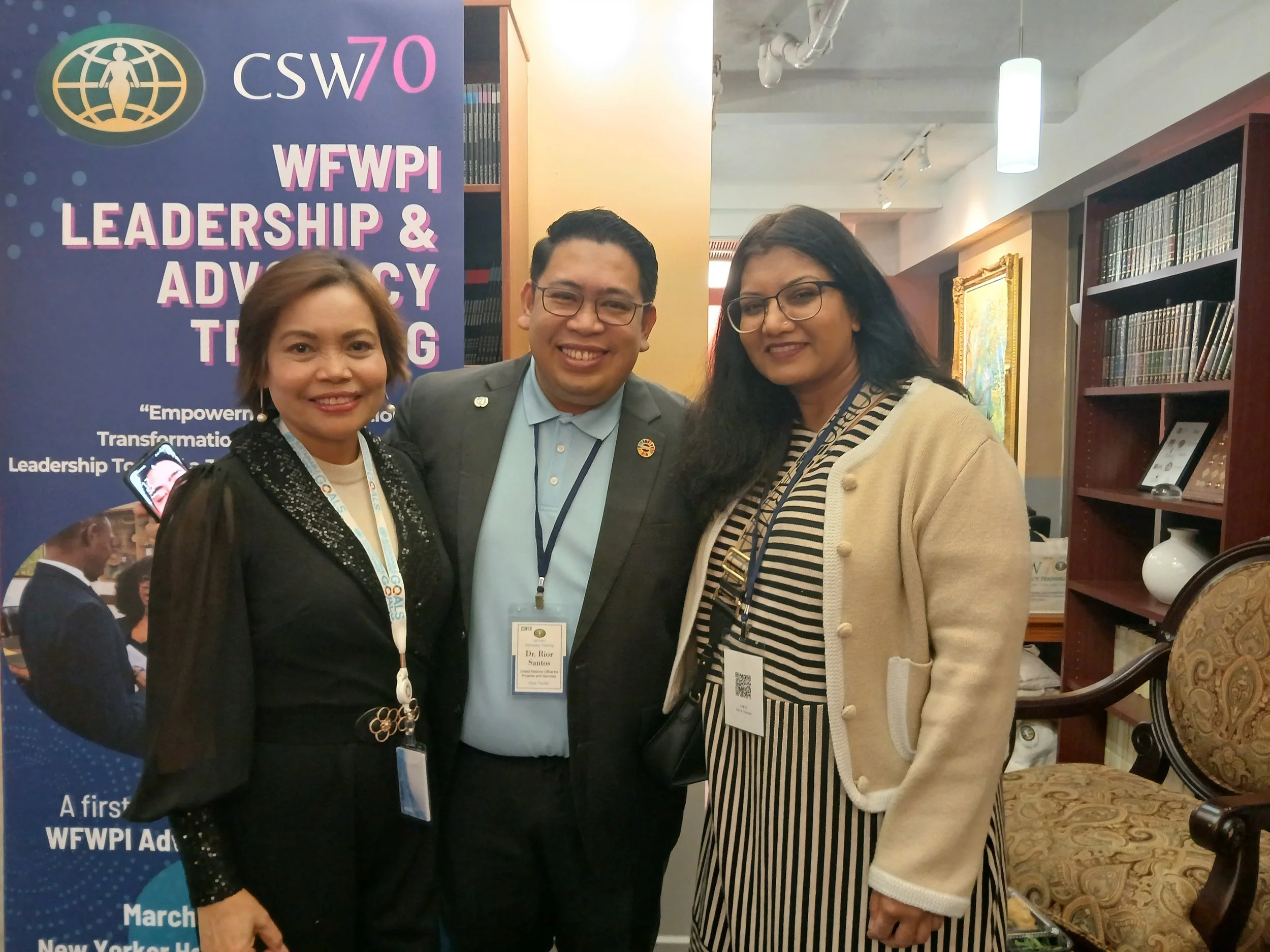
Khan with trainer Dr. Rior Santos and WFWPI VP for Administration and director for UN Relations Offices Merly Barlaan.
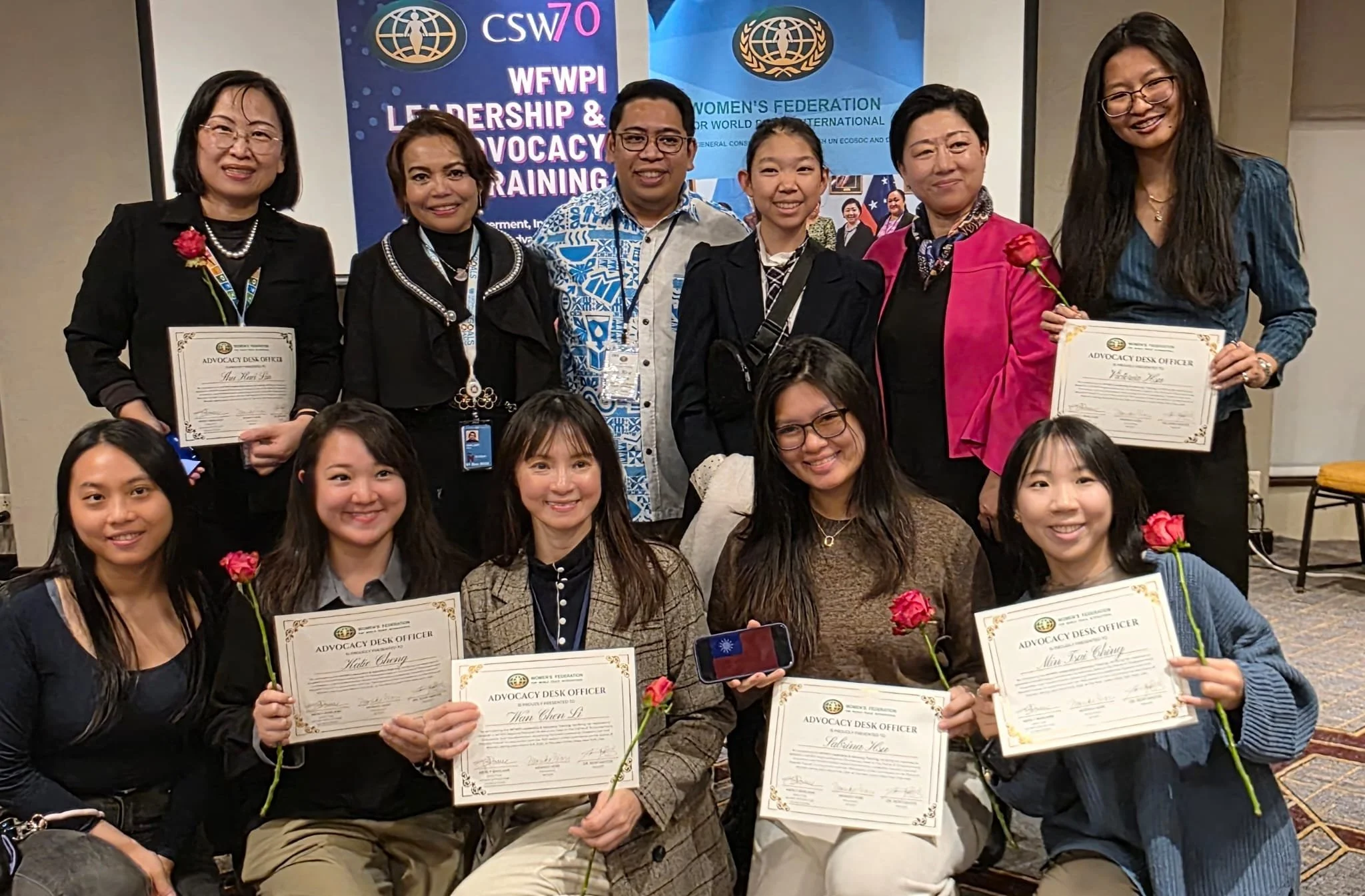
Taiwan Delegation with their Certificate of Completion as WFWPI Advocacy Desk Officers.
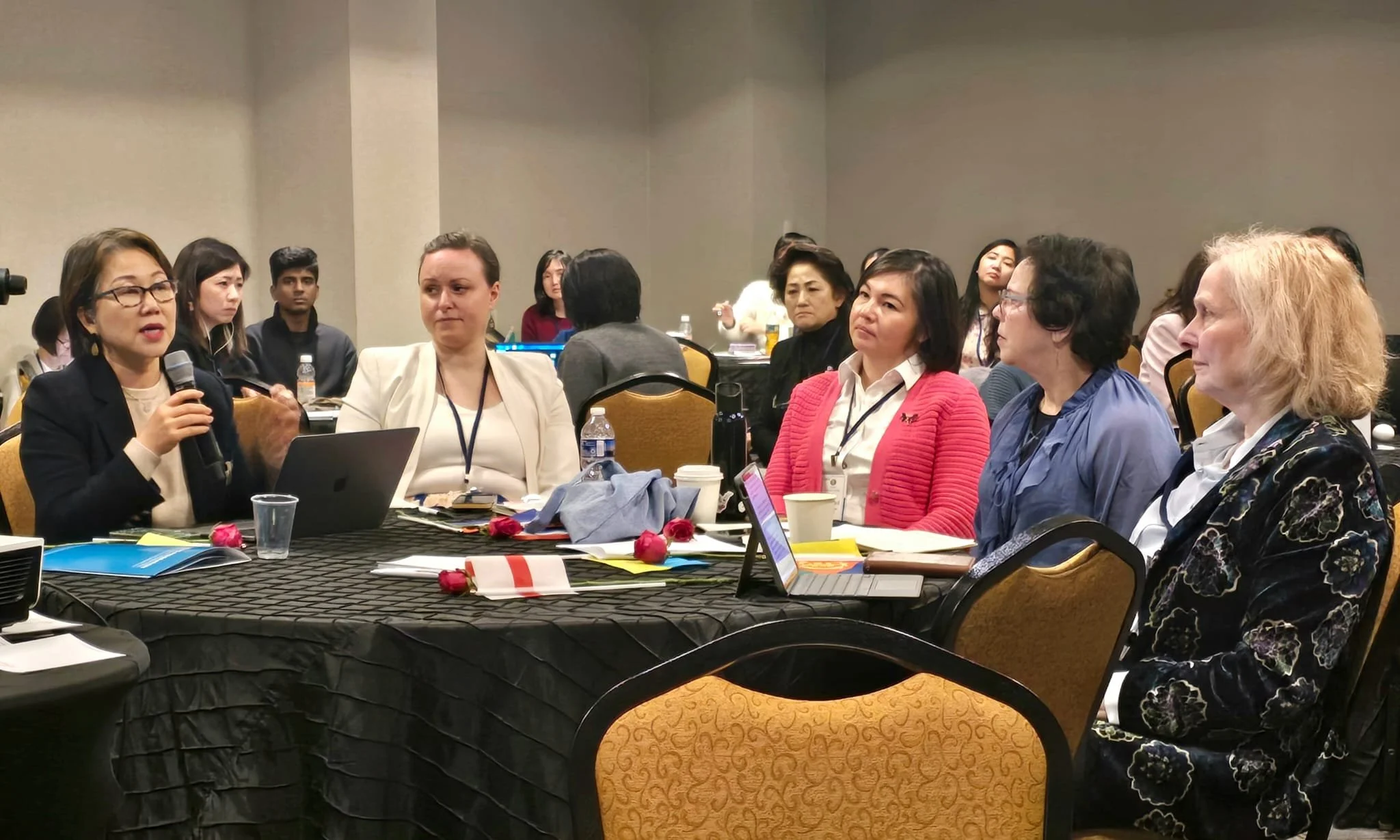
L-R: Dr. Paris Moon, Ms. Kaeleigh Moffitt, Mrs, Mica Deshotel, Mrs, Cindy Pfeiffer, Ms. Carolyn Handschin